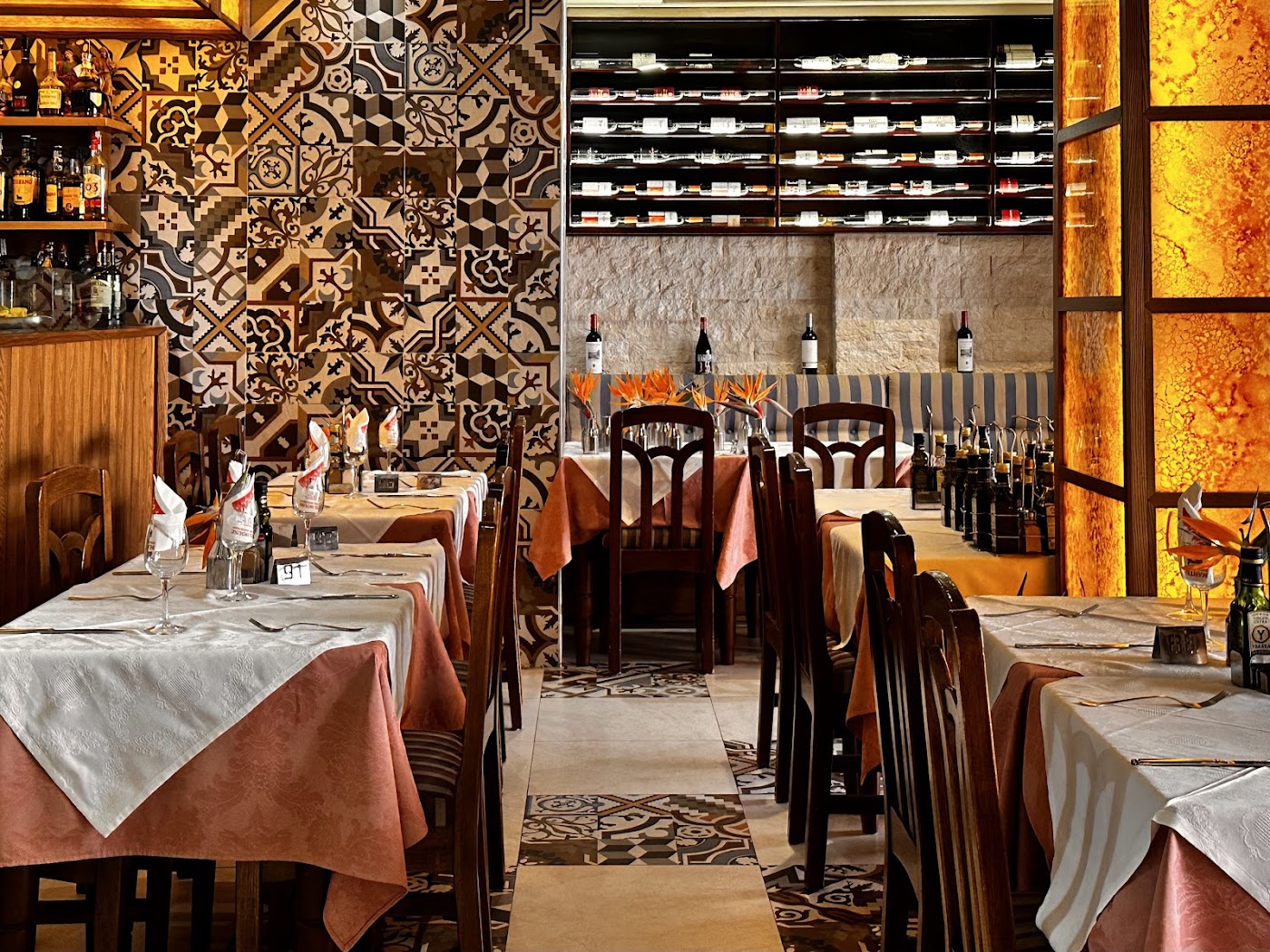
Gran Canaria's food scene divides sharply between Las Palmas — a genuinely cosmopolitan city with a restaurant culture to match — and the south resort strip, where quality varies wildly and the tourist-menu trap is easy to fall into. The island's own culinary tradition is excellent: Atlantic fish that never travels far from sea to plate, stews of local chickpeas and pork, mojo sauces in infinite variations, and a growing number of chefs doing serious things with the island's larder. This list covers both the city and the south, with several places you genuinely will not stumble across without looking.
Restaurante El Equilibrista
In the Vegueta historic district of Las Palmas, El Equilibrista (The Tightrope Walker) does contemporary Canarian cooking at a genuinely high level. The menu changes seasonally and plays with local ingredients in ways that feel considered rather than gimmicky — yellowfin tuna from local waters prepared three ways, gofio in textures, and a dessert menu that takes traditional Canarian sweets seriously. The room is elegant without being stiff, and the service is attentive and knowledgeable about both the food and the wine list. Las Palmas has several good restaurants; this is the best of the creative end.
Casa Carmelo
A Las Palmas institution on the edge of the port district — a large, genuinely local restaurant serving the kind of Canarian cooking that has not changed significantly in 40 years, because it does not need to. Enormous portions of grilled fish (ask what is fresh), papas arrugadas with good mojo, and ropa vieja that takes hours to make properly. This is where city workers eat on Fridays and families come for Sunday lunch. The terrace fills up quickly; the indoor room is cooler and equally pleasant. Not the place for a quiet, intimate dinner — but absolutely the place for understanding what Gran Canarian food actually is.
Che
An Argentine-owned restaurant in the Triana shopping district of Las Palmas that has built one of the best reputations for meat cookery in the city. The cuts are imported from Argentina and Uruguay but the cooking is executed with considerable skill — proper dry-aged beef, correctly rested before serving, with sauces that complement rather than mask. The wine list covers South American bottles well and includes a section of Canarian reds alongside. This is where Las Palmas residents go for a serious steak dinner. Book ahead on weekends; they are reliably full by 9pm.
El Churrasco
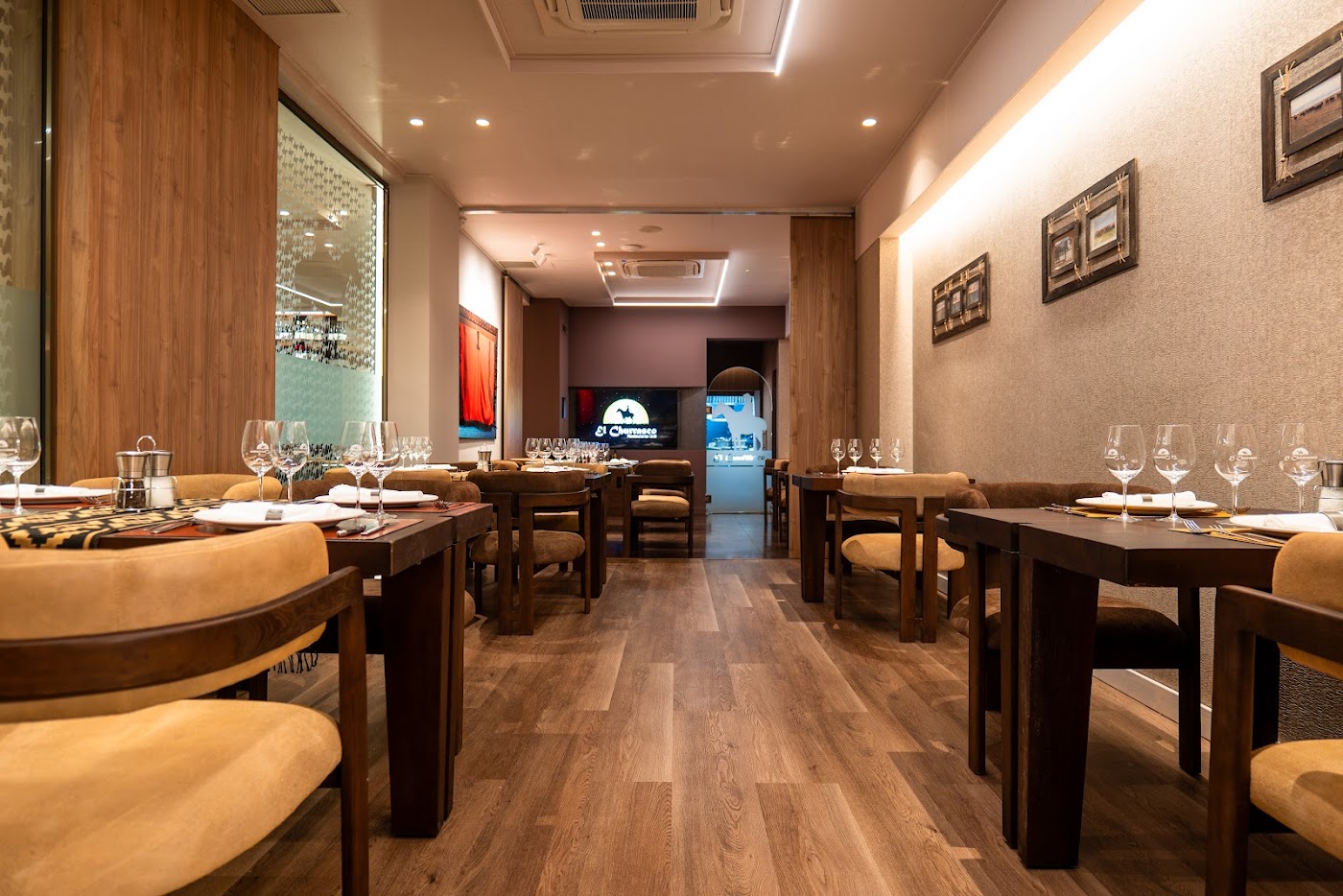
A long-established restaurant in the leafy Ciudad Jardín neighbourhood — the residential Las Palmas that most tourists never reach — El Churrasco does solid Canarian cooking in a handsome room with an outdoor terrace under bougainvillea. The fish soup here is exceptional: a deep, saffron-coloured broth with various Atlantic fish that comes with grilled bread and costs about €9. The gallo pinto (whole fried fish with garlic) and the rabbit with salmorejo are the other things to order. Neighbourhood restaurant prices, neighbourhood atmosphere, cooking above that level.
La Marinera Hidden Gem
On the far north end of Las Canteras beach — away from the main promenade bustle and significantly less visible to passing tourist traffic — La Marinera is a proper fish restaurant of the kind that gets its ingredients from the boats rather than a wholesaler. The prawns from Arguineguín, the vieja (parrotfish, a Canarian speciality), and whatever the daily catch brings in are cooked with simplicity and confidence. The terrace directly overlooks the beach, which means you eat with your feet essentially in the sand. Not the cheapest option on Las Canteras, but the quality of ingredients justifies it.
Restaurante El Tablón Hidden Gem
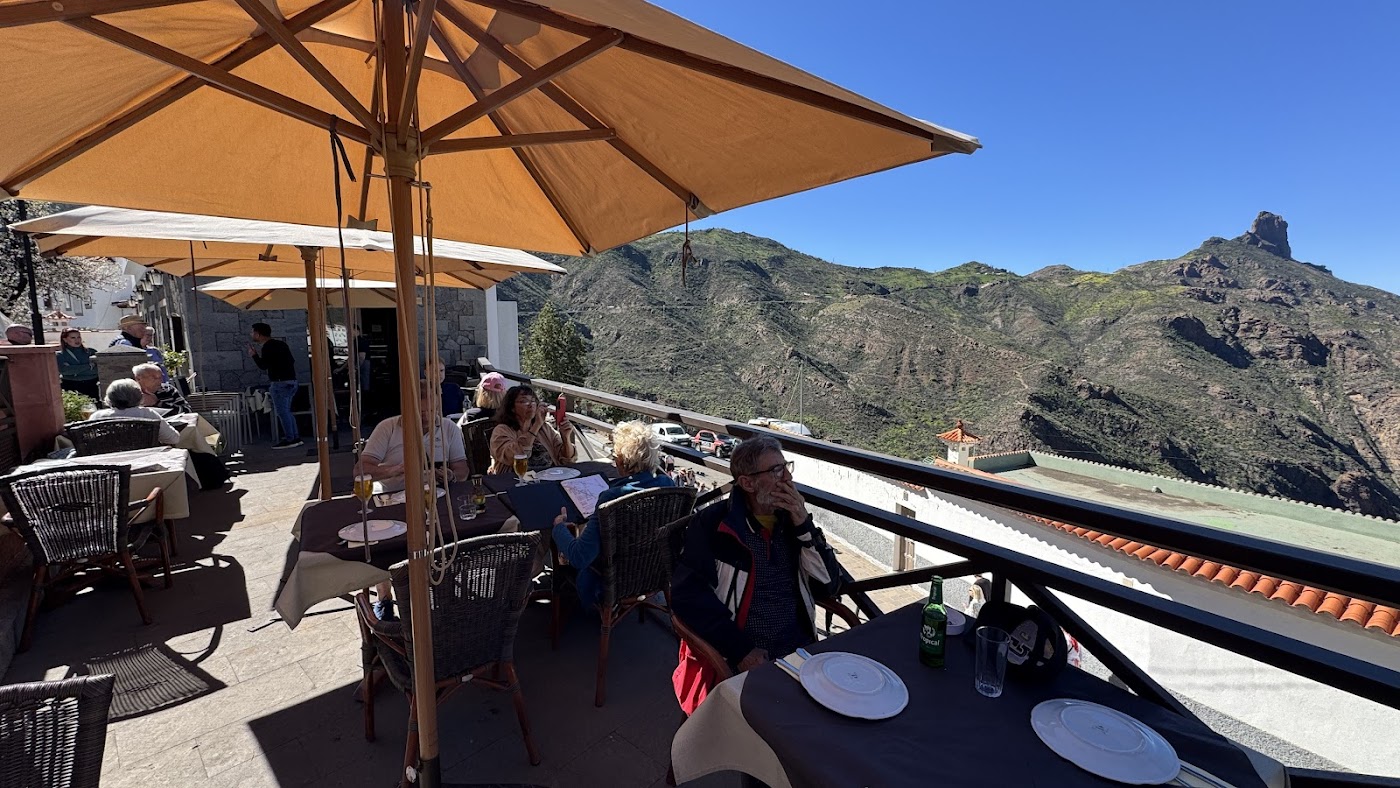
Drive up into the centre of Gran Canaria to Tejeda — an inland mountain village at 1,050 metres surrounded by almond groves and pine forest — and El Tablón makes the journey worthwhile. The kitchen serves simple, honest mountain food: thick stews of local chickpeas, grilled goat cheese with mojo, puchero (the Canarian version of cocido), and local almonds in everything from the mojo to the bienmesabe dessert. Prices are astonishingly low by any standard; a full lunch with wine for two costs less than €30. Combine with the Roque Nublo hike (15 minutes further along the road) for one of the best days in Gran Canaria's interior.
El Séptimo
A wine bar and restaurant in a handsome corner building in Triana that takes the wine list as seriously as the food — over 200 labels, with proper coverage of Canarian, Spanish, and international producers, and a staff that can actually talk you through them. The food is tapas-to-share style: charcuterie, Spanish and local cheeses, small plates of Canarian produce. Good croquetas, excellent boquerones, and a smoked fish selection that changes frequently. This is the place for a long, wine-focused evening rather than a quick dinner. The menu del día at lunch is one of the better-value options in central Las Palmas.
Restaurante Los Guayres
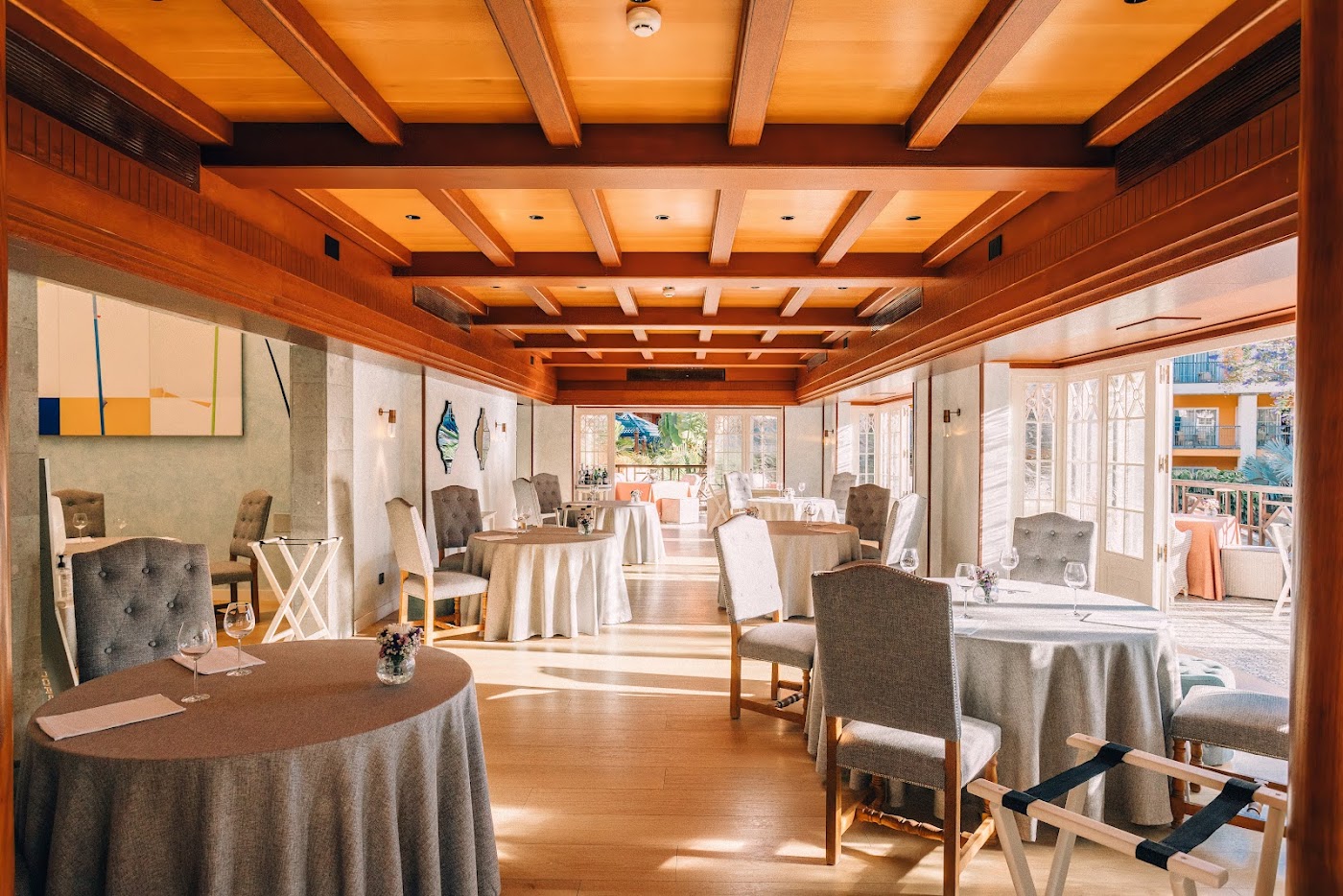
Puerto de Mogán is often called "Little Venice" for its flower-draped canals and harbour — a genuinely pretty resort village in the south. Los Guayres, in the Cordial Mogán hotel above the port, holds a Michelin star and manages to feel appropriate to its setting rather than incongruous. Chef Alexis Álvarez works with Gran Canarian ingredients at the finest level — local fish, island vegetables, and a technique that is modern but not overwrought. The terrace overlooks the harbour and mountains; the tasting menu is the right choice. One of the two or three best restaurant experiences in the island.
Restaurante El Portón Hidden Gem
In the quiet market town of Agüimes on the east coast — almost no tourists, entirely off the south-resort circuit — El Portón serves the most authentic papas arrugadas in Gran Canaria. They use the small Canarian papa negra potato, boil them in proper amounts of sea salt until the skin crystallises, and serve them with two mojos made daily. The rest of the menu is equally faithful: stewed chickpeas, grilled fish, local goat cheese. This is what Canarian cooking looks like without the tourist markup. Agüimes itself is a well-preserved colonial town with a lovely main square worth 30 minutes of exploration.
Restaurante El Roque
Puerto de las Nieves is a small fishing village on Gran Canaria's northwest coast, largely unchanged from what it was 50 years ago and about as far from the south resort atmosphere as you can get on the island. El Roque, on the harbour front, does fish in the honest fisherman's-restaurant style: the day's catch grilled over charcoal, served with papas arrugadas and mojo, accompanied by cold local wine. The sama (red snapper) and cherne (wreckfish) are exceptional when available. Take the scenic coastal road from Las Palmas rather than the motorway — the cliffs above Agaete are impressive.
Origen
A natural wine bar and restaurant in the Santa Catalina neighbourhood that has become a focal point for Las Palmas' younger restaurant culture. The food is product-led and minimal — good charcuterie, local vegetables prepared simply, excellent bread — with a wine list that prioritises small producers from the Canaries, mainland Spain, and selected European natural wine estates. This is the restaurant where Las Palmas food professionals eat on their nights off. The atmosphere is reliably good; the cooking never tries to overshadow the wine. Book by phone (their online presence is sparse by design).
Restaurante El Pescador
Yes, Puerto de Mogán is touristy — it is the most-photographed village in Gran Canaria. El Pescador, right on the harbour, is touristy in the sense that it is always full of visitors, but it earns its place by doing what it does very well: fresh fish and seafood, bought locally that morning, cooked simply and served with good bread and proper mojo. The grilled prawns, the fish soup, and the mixed seafood platter for two are the things to order. Sitting on the terrace watching the fishing boats in the harbour while eating genuinely fresh fish is a proper pleasure, regardless of who else is sitting nearby.
Browse hotels in Las Palmas and the south coast on Booking.com — from boutique city hotels to all-inclusive south resort options.
What to Eat in Gran Canaria
Papas arrugadas: The defining Canarian dish — small potatoes boiled in concentrated salt water until the skin wrinkles and a crust of salt forms. Always served with mojo (red or green). The quality varies enormously; the places on this list do them properly. If the potatoes arrive without the salt crust, ask for a different table.
Vieja: Parrotfish — a Canarian speciality rarely found elsewhere. Vivid blue and green when alive, it turns white when cooked and has a mild, distinctive flavour. Usually grilled whole. Order it if you see it.
Bienmesabe: A thick almond cream from the interior — Tejeda in particular — used as a dessert sauce, ice cream base, or spread on bread. The almond groves around Tejeda bloom in January and February, when the whole interior is briefly covered in white blossom.
See also: Best Restaurants in Tenerife and the full Canary Islands Travel Guide.