Lanzarote is unlike any other Canary Island — and unlike almost anywhere else in the world. The landscape is volcanic in the literal, very recent sense: 300 volcanoes erupted across the island between 1730 and 1736, burying a third of Lanzarote under lava. What emerged was a moonscape of black and red rock, malpais lava fields, and a surreal terrain that the island has had the extraordinary good sense to preserve. Add the omnipresent influence of artist-architect César Manrique — who spent his career integrating Lanzarote's built environment into its volcanic landscape — and you have an island that rewards attention and exploration in ways that its package-holiday reputation doesn't suggest.
Timanfaya National Park
Timanfaya is the heart of the 1730–1736 eruption zone — a protected national park of extraordinary volcanic scenery where the ground temperature at one metre depth is still around 120°C. The Ruta de los Volcanes bus tour winds through the most dramatic sections of the lava field with commentary on the geology. The El Diablo restaurant (a César Manrique design) cooks food over geothermal heat from the earth below. Timanfaya is, without qualification, worth visiting — but it is also the island's single most-visited attraction, and the bus tour can feel processed. The answer is to arrive when the park opens (9am), which gets you in front of the coach groups.
Jameos del Agua
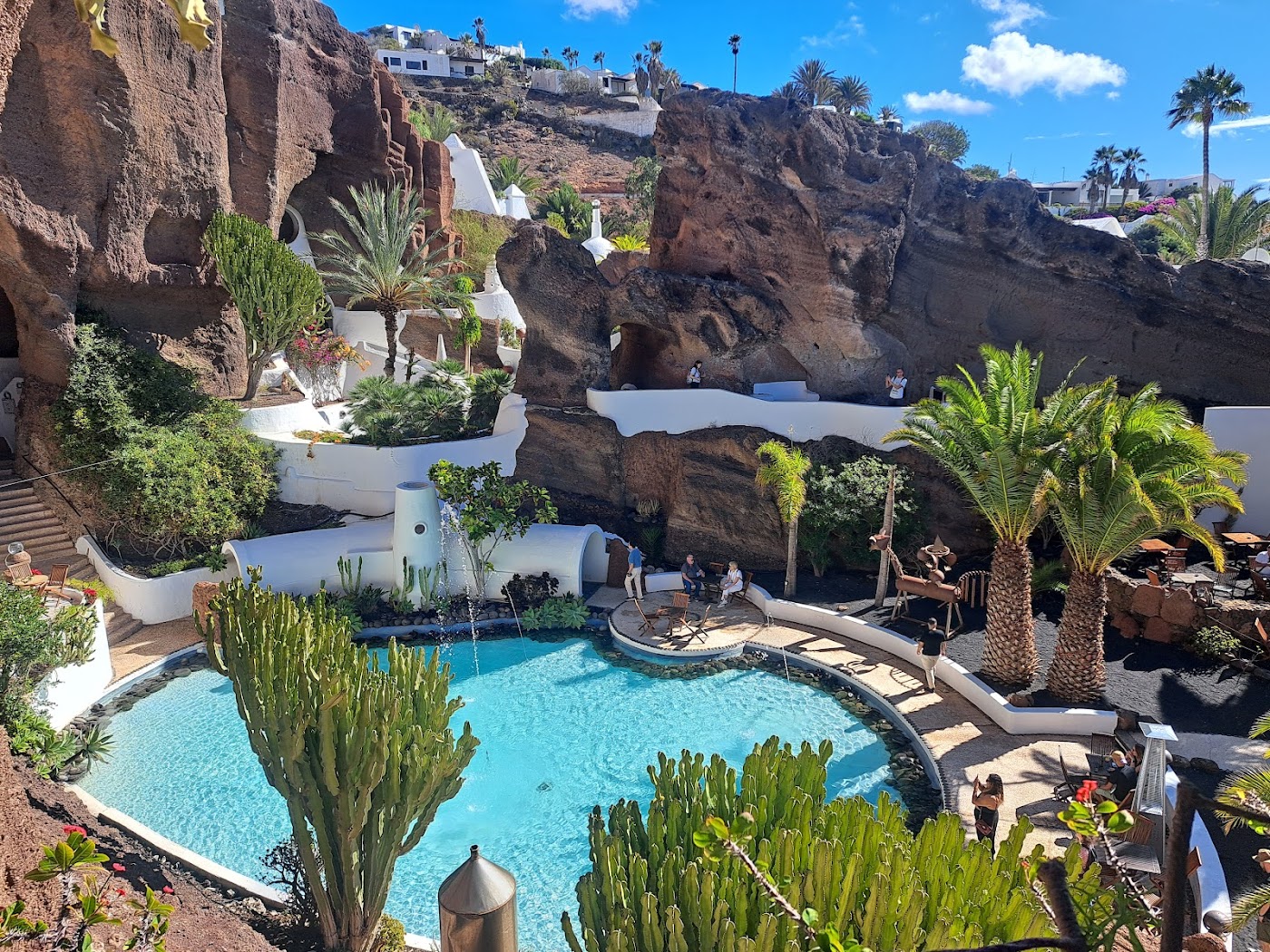
One of César Manrique's finest achievements: a lava tube that extends under the sea, converted into a subterranean auditorium, restaurant, lagoon, and garden of extraordinary beauty. The highlight is the underground lake — a flooded section of the lava tube where you can see the albino blind crab (Munidopsis polymorpha), a species found nowhere else on Earth, adapted over millennia to total darkness. Manrique lined the cave walls with tropical plants, built terraces, and added a concert hall that hosts events on selected nights. Seeing Jameos del Agua during a live music event is a genuinely extraordinary experience — check the programme before visiting and plan accordingly. Day visits are good; an evening concert is better.
Cueva de los Verdes
The northern extension of the same lava tube system as Jameos del Agua, Cueva de los Verdes takes you deeper into the volcanic plumbing of the island. The guided tour winds through 1 kilometre of tunnels, revealing the extraordinary scale and variety of the lava formations — archways, collapse chambers, and colour gradients in the rock that shift from black to red to ochre. The tour ends with one of the most effective optical illusions in any guided attraction anywhere — we will not spoil it, but it is genuinely clever and completely organic to the cave environment. Best visited in combination with Jameos del Agua on the same day; the two sites are 15 minutes apart.
El Golfo & the Green Lagoon
On the west coast, a half-submerged volcanic crater has been partially filled by the sea and contains a lagoon of almost impossibly vivid green water — the colour the result of algae growing in the brackish mix of seawater and minerally groundwater. The lagoon is not accessible (it is a protected site), but the viewpoint above it is one of the most dramatic on the island — particularly in late afternoon when the orange and red of the crater walls and the intense green of the water create a colour contrast that photographs cannot do justice to. The village of El Golfo, 10 minutes' walk down the coast, has several good fish restaurants overlooking the sea. A natural pairing with a Timanfaya visit.
César Manrique Foundation (Fundación César Manrique)
Manrique built his home inside five connected volcanic bubbles — lava tubes and collapsed lava pockets — beneath the lava field at Tahíche, incorporating the underground landscape into a series of rooms that are simultaneously art, architecture, and cave system. The house is now a museum and foundation, and exploring it tells you everything you need to know about Manrique's philosophy: that construction on Lanzarote should work with the volcanic landscape, not against it. His own paintings and sculptures are displayed throughout. Essential context for understanding why Lanzarote looks the way it does — visit here before Timanfaya or Jameos if you can.
Lanzarote Wine Route & El Grifo Winery
Lanzarote grows wine in one of the most extraordinary agricultural landscapes on earth. In La Geria — a valley of black volcanic ash between Tinajo and Yaiza — individual vines are planted in hand-dug craters in the lapilli, each vine surrounded by a low curved wall of volcanic rock that catches dew, reflects heat, and protects from the wind. The result is a wine of tremendous character — the Malvasia grape produces a white of mineral intensity and stone-fruit aroma that is difficult to find outside the island. Drive the LZ-30 through La Geria, stop at several bodegas (El Grifo, Bodegas Los Bermejos, and Stratvs are the picks), and buy bottles. You cannot get this wine easily at home.
Kitesurfing & Windsurfing at Famara
Famara beach, beneath the 600-metre cliffs of the Famara massif on Lanzarote's northwest coast, has one of the most consistent trade winds in the Canary Islands and a beach that handles both beginners and advanced riders. Several professional schools operate here — Escuela Canaria de Surf and Kite School Lanzarote are the most established. The shallow water at low tide gives beginners room to learn without consequence; the open beach at high tide challenges experienced riders. If you have always intended to learn: the conditions here, the consistent wind, and the quality of instruction make Famara the best place in the islands to do it.
StargazingHidden Gem
Lanzarote is a UNESCO Starlight Reserve — one of the formally certified dark-sky destinations in the world. The island's strict lighting ordinance (Manrique again) means virtually no light pollution beyond the coastal resort areas, and the combination of low humidity, high altitude (in the interior), and clear Atlantic air produces night skies of extraordinary quality. Simply driving 15 minutes inland and turning off the engine on a clear night will show you a Milky Way that is genuinely startling if you are used to light-polluted cities. For a more structured experience, Lanzarote Stargazing runs guided sessions with telescopes from various inland locations; book in advance as sessions fill quickly in winter.
Playa de Papagayo
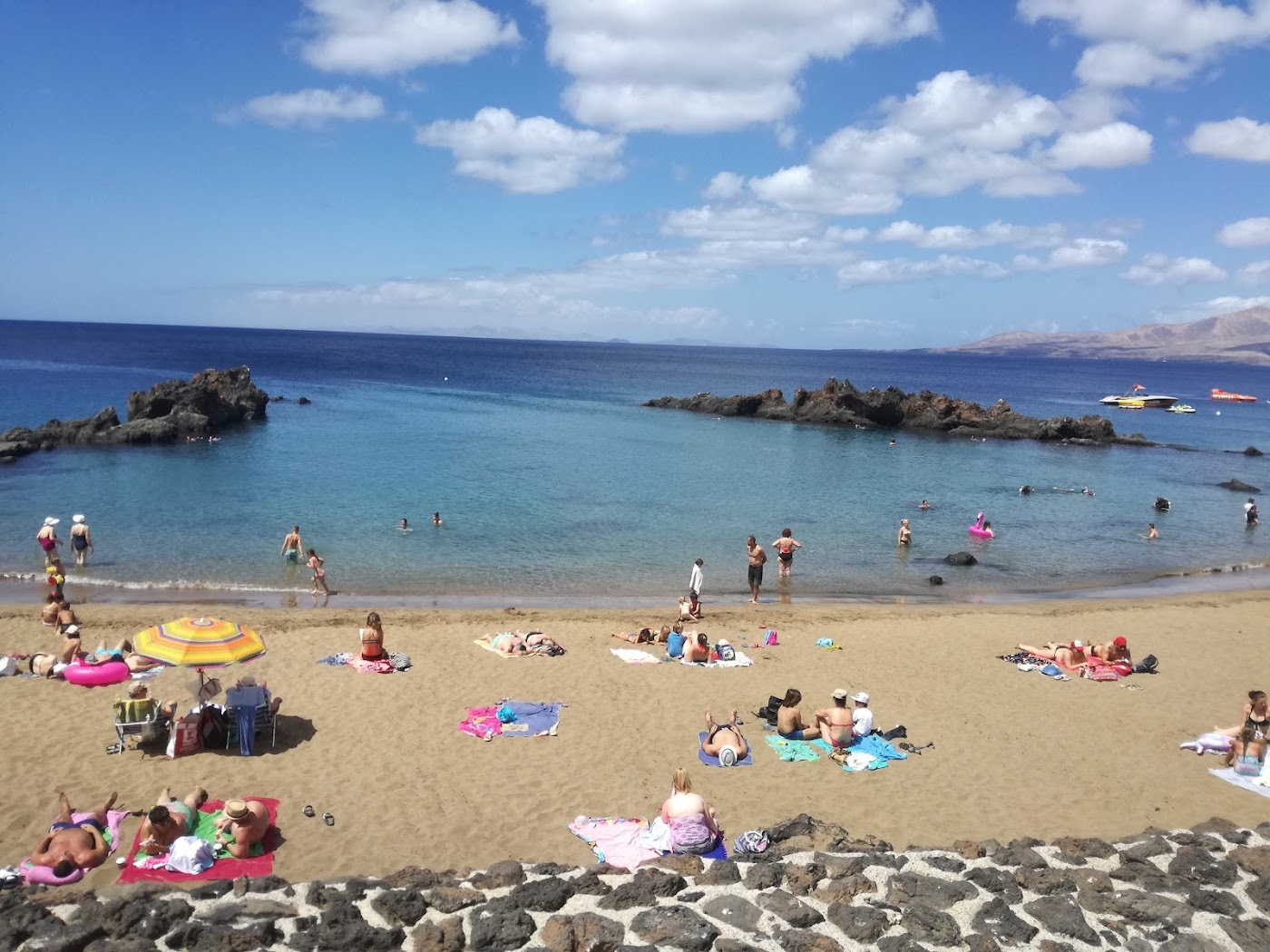
See our full write-up in the best beaches guide — Papagayo is the finest swimming beach in Lanzarote and one of the best in the archipelago. A series of sheltered coves with exceptional water clarity and snorkelling, within the Punta del Papagayo natural reserve. The reserve entry fee (paid at the barrier, by card or cash) keeps visitor numbers sensible. The beaches are golden sand, the water is warm and calm, and the surrounding volcanic cliffs make the setting spectacular. Go on a Tuesday or Wednesday; weekend crowds in high season can be significant.
Teguise Sunday Market
Teguise was Lanzarote's capital for several centuries and retains its colonial architecture and aristocratic atmosphere. On Sunday mornings it hosts one of the most enjoyable markets in the Canary Islands — a mix of local crafts, jewellery, clothing, and food that sprawls through the cobbled streets and plazas of the old town. The quality of goods is higher than the typical tourist market; there are local artisans selling genuine Canarian crafts alongside the inevitable sunglasses vendors. Arrive before 10am to avoid the coach parties. The baroque church of Nuestra Señora de Guadalupe and the Castillo de Santa Bárbara above the town are worth visiting before or after the market.
Mirador del Río
Another Manrique masterpiece — a lookout point and small café carved into the volcanic cliff at the northern tip of Lanzarote, 479 metres above the sea. The view from the glass-fronted terrace is one of the most dramatic in the Canaries: the narrow channel of El Río separating Lanzarote from the small island of La Graciosa, with the island's white village of Caleta del Sebo visible below. Manrique designed the structure so completely that from outside it is invisible — it merges entirely into the volcanic rock. Entry fee is small and justified; a coffee here while looking out at La Graciosa is a Lanzarote highlight.
Salinas de Janubio
The largest salt flats in the Canary Islands occupy a volcanic lagoon on the southwest coast — a working salt pan still producing Lanzarote's distinctive salt, with a visual geometry of square evaporation pools in graduated shades of white, pink, and grey-green. In the late afternoon, when the light drops low and the flamingos (winter visitors) wade through the shallows, this is one of the most photogenic locations on the island. There is no entry fee and no infrastructure beyond a car park and a viewing area. It is on the road from Timanfaya to El Golfo — an easy stop when combining the two. The salt produced here is sold at the Teguise market.
Browse hotels and villas across the island on Booking.com — from boutique rural properties to beachfront hotels in Playa Blanca and Puerto del Carmen.
Planning Your Time
A week in Lanzarote is ideal — enough time to do the main César Manrique circuit (Jameos del Agua, Cueva de los Verdes, Fundación, Mirador del Río, Cactus Garden), Timanfaya properly, La Geria wine country, and still have two or three days for beaches and unstructured time. A weekend is too short; five days is a reasonable minimum.
A hire car is essential for everything beyond the resort strip. Lanzarote is small enough (845 km²) that even the most distant point is under an hour's drive from the main tourist areas in the south. See our car hire guide for recommendations.
See also: Best Beaches in the Canary Islands and Best Hikes in the Canary Islands.