Six million people visit Tenerife each year. Most of them spend the majority of that time within a five-kilometre radius of their hotel in the south. The Tenerife they see — sun beds, buffet breakfasts, water parks — is a real thing, but it is not the whole story, or even the most interesting part of it. The island is 2,034 square kilometres of extraordinary geological and ecological diversity, and the places where it reveals that complexity are, almost without exception, largely tourist-free. This is where to find them.
Masca Village
Masca sits at the head of the island's most dramatic gorge, perched on a knife-edge ridge in the Teno massif at around 650 metres. The village itself is tiny — 80 residents, a handful of restaurants, and a church — but the approach road through the mountains is one of the most extraordinary drives in the Canaries. The gorge hike descends 5 kilometres through the barranco to a small beach accessible only by boat; book the boat return from the beach in advance (Masca Boat runs the service). Note that Masca is appearing on more tour itineraries now — the village is busiest midday. Go early or late in the season.
Barranco del Infierno Trail
Starting from the old quarter of Adeje — ten minutes from the south resort sprawl — the Barranco del Infierno (Hell's Gorge) trail ascends a narrow, dramatic canyon to a seasonal waterfall at its head. The contrast with the resort coast is immediate and total: within 20 minutes of the trailhead you are in a deep ravine with Canarian pine and Tabaibas clinging to the rock, absolutely no sign of the hotels behind you, and the sound of nothing except the wind and (in winter) running water. The trail is protected and requires a pre-booked permit and entry fee (€8 per person); numbers are capped at 250 per day. Book at the Adeje council website at least 48 hours ahead.
Garachico & the Charco de la Condesa
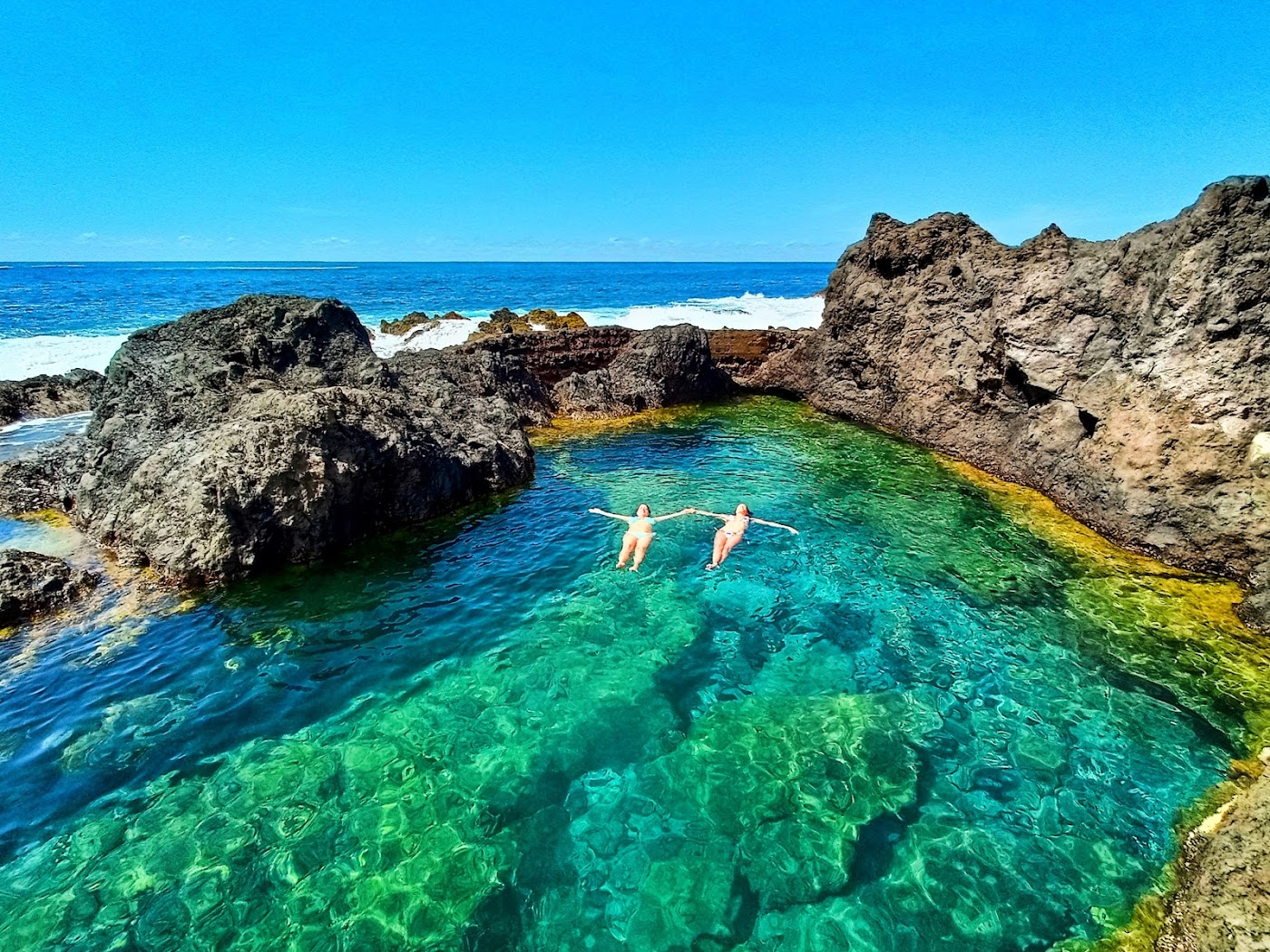
Garachico was, until a volcanic eruption in 1706 destroyed the harbour, the wealthiest and most important port in the Canary Islands. The lava that buried the town also created something unexpected: a series of natural rock pools along the new coastline, where lava met sea and solidified into near-perfect swimming pools. The Charco de la Condesa and Charco El Caletón are the finest of these — tiered volcanic basins of clear Atlantic water, surrounded by the old town's colonial architecture. The town itself has some of the best-preserved historic buildings in Tenerife; El Risco restaurant (on our best restaurants list) is directly above.
Punta de Teno
The westernmost point of Tenerife and — on clear days — one of the finest viewpoints in the entire Canary Islands. The road to Punta de Teno is restricted to licensed vehicles between 10am and 5pm (check current rules, as these change seasonally); outside those hours you drive freely to a small lighthouse at the very tip of the Teno massif. The views take in the Teno cliffs plunging into the sea, the full silhouette of La Gomera across the Strait, and on exceptional days La Palma. The small pebble beach below the lighthouse is one of Tenerife's most remote and least-visited. Snorkelling around the rocks is excellent.
Anaga Rural Park
The Anaga Peninsula is the oldest part of Tenerife — geologically pre-Pleistocene — and one of the most biologically significant areas in the entire Macaronesian region. The laurisilva forest here is the last substantial remnant of a forest type that once covered much of the Mediterranean basin; the trees — giant heathers, Canarian laurels, tree heaths — are draped in moss and lichen and give the impression of a primordial landscape that the rest of the island has long since lost. The network of hiking trails is extensive; the PR-TF 3 from Cruz del Carmen to Punta del Hidalgo (14km) is the finest long-distance route. The small mountain villages of Taganana, Almáciga, and Benijo are worth visiting for lunch at their small local bars.
Playa de Benijo
Deep in Anaga, at the end of a vertiginous access road that most drivers turn back from, Benijo is black volcanic sand flanked by dramatic sea stacks and backed by the green cliffs of the Anaga massif. In the late afternoon, with the sun dropping towards the sea stacks and turning everything amber, this is one of the most photographically compelling places on the island. There are a couple of small kiosks selling drinks and fish, and the village above has a bar. Swimming is possible in calm weather but the beach faces north Atlantic swell; check conditions before entering the water. Almost no tourists make it here.
Cueva del Viento
The Cueva del Viento (Cave of the Wind) is the largest volcanic lava tube in Europe and the fifth-largest in the world — a 17-kilometre labyrinth of tunnels formed by a lava flow from El Teide 27,000 years ago. Guided tours explore around 1.5 kilometres of the accessible section, revealing extraordinary lava formations: tube-within-tube structures, lava stalactites, and pristine geological features that have been undisturbed since they were formed. The tour is genuinely fascinating and manages to be neither tame nor cheesy — the cave is the point, not a theme park version of it. Book ahead; daily visitor numbers are strictly capped.
Icod de los Vinos & the Millennium Dragon Tree
Icod de los Vinos is a small, genuinely authentic wine-making town in north Tenerife that has managed to preserve its historic character largely intact. The centrepiece is the Drago Milenario — a dragon tree estimated at between 800 and 1,000 years old, 17 metres high, with a trunk circumference of over 20 metres. It is genuinely one of the most remarkable living things you will see anywhere. The tree sits in a small botanic park (small entry fee) but is also visible from a free viewpoint in the town square. After the tree, walk the old town's stepped streets and stop at one of the wine bodegas for a glass of the local white — the Icod wine has a distinctive floral character.
Mirador de Jardina
On the road from La Laguna into the Anaga massif, the Mirador de Jardina sits at about 900 metres and offers a view that stops most people in their tracks: the entire La Laguna basin laid out below, the Teide volcano dominating the western skyline, and the full sweep of the north coast curving away to either side. It is one of those viewpoints that makes you understand the island's geography in an instant. There is a small bar-restaurant that opens most mornings; a coffee here with this view is a fine way to start the Anaga day. Five minutes' drive beyond it, the road enters the cloud forest and the landscape changes completely.
Santiago del Teide
While most visitors drive through the Teno region on their way to or from Masca, Santiago del Teide itself is worth a proper stop. The village sits at around 800 metres in the fertile valley between the Teno and Teide massifs — wine country, market gardens, and an old church that predates the resort coast by several centuries. The local restaurants here serve properly traditional Canarian food (not adapted for tourism) and the wine from the Ycoden-Daute-Isora region grown immediately around the village is some of the most interesting white wine produced in the archipelago. The pace of life here is measurably different from anything on the coastal circuit.
Puerto de la Cruz and La Laguna put you within easy reach of all these places. Browse hotels in the north on Booking.com — free cancellation on most properties.
Getting the Most Out of Tenerife
Every single place on this list requires either a hire car or a significant time investment in public transport. The bus network (TITSA) is good but slow; the number 325 from Santa Cruz to Taganana, for example, is a commitment. A car unlocks the island. See our car hire guide for what to book and what to avoid.
The north and centre of the island — where almost all of these places sit — has a noticeably different climate from the south. Cloud cover in the Anaga and Teno hills is frequent, rain is possible year-round at altitude, and temperatures in the mountains can be 8–10°C cooler than the south coast. Always carry a layer.
See also: our full 7-day Tenerife itinerary and the best hikes across the Canary Islands.