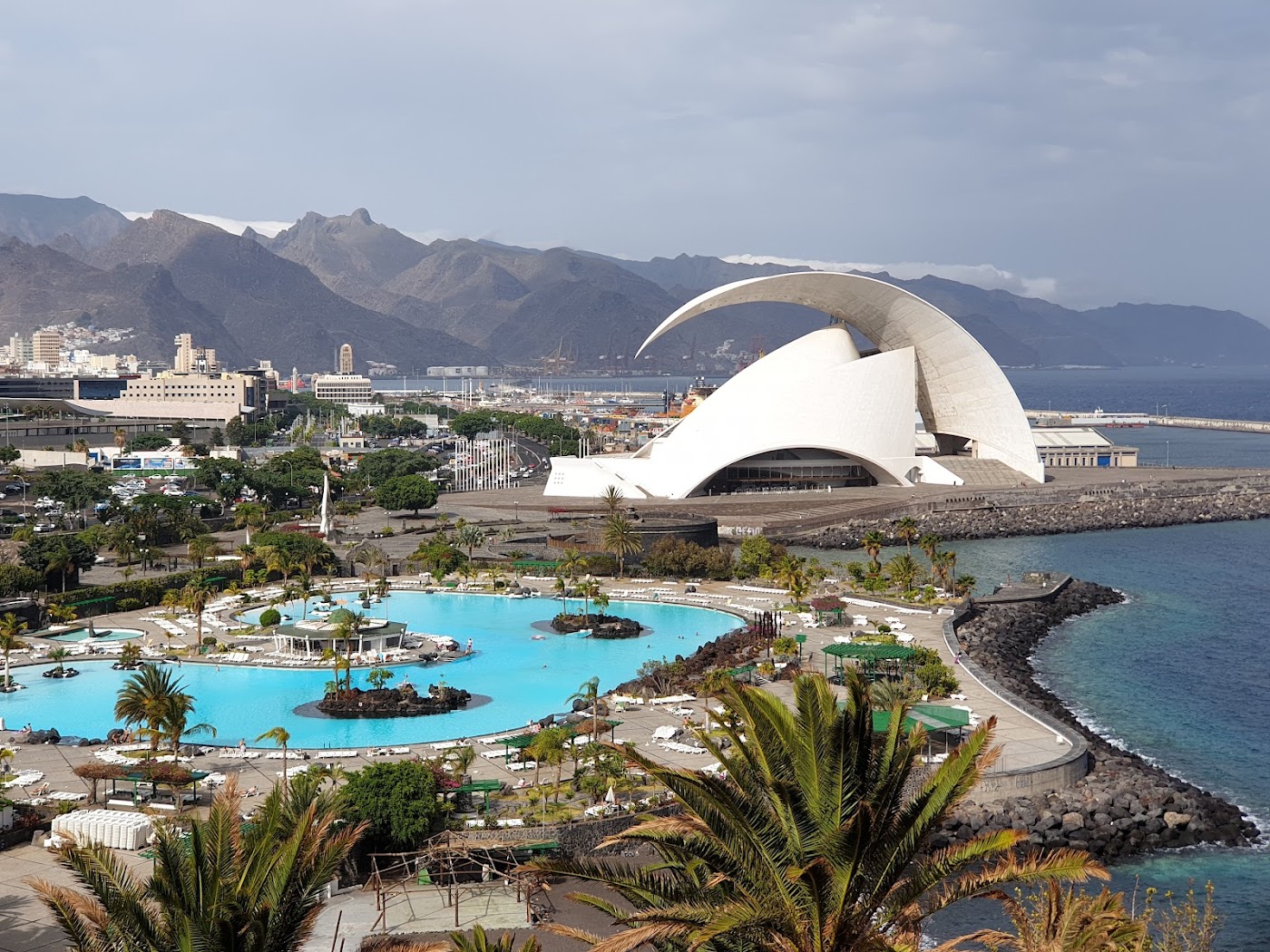
It is the most common dilemma for first-time visitors to the Canary Islands, and it is not a silly one. Tenerife and Gran Canaria are the two biggest, most visited, and most developed islands in the archipelago — and they are genuinely different places. Different landscapes, different personalities, different strengths. Getting this choice right for your specific trip can make the difference between a holiday that suits you perfectly and one that leaves you wishing you had gone somewhere else.
We have spent a lot of time on both islands. Here is our honest take — no filler, just what you actually need to know.
Quick Answer
- Choose Tenerife if: You want a volcano, dramatic landscapes, the Anaga forest, Garachico, whale watching, and more variety overall
- Choose Gran Canaria if: You want Las Palmas city life, the Maspalomas dunes, a more compact island, easier hiking, or lively nightlife in the south
- Choose Tenerife for: First-time visitors, hikers, nature lovers, families
- Choose Gran Canaria for: City lovers, LGBTQ+ travellers, budget travellers with one focus, second or third Canaries visits
Size and Geography
Tenerife is the largest island in the Canaries at 2,034 km², and it has the most dramatic topography of any of the seven. The island is built around Mount Teide, at 3,715m the highest point in Spain, and the landscape cascades from that volcanic peak down through pine forests, banana plantations, and scrubland to the coast. The north is green and lush; the south is dry and sunny. The two coasts could almost be different islands — they are separated by the caldera and the motorway that runs through it.
Gran Canaria is nearly circular, 1,560 km², and shaped like a miniature continent. The interior is mountainous — rising to 1,949m at the Pico de las Nieves — and the landscape shifts from desert dunes in the south to pine forests and then misty ravines in the centre. It is sometimes called a "continent in miniature" because you can drive through four or five distinct climate zones in an hour. Less dramatic than Tenerife at its peaks, but more diverse in a concentrated space.
Verdict: Tenerife is larger and more topographically extreme. Gran Canaria is more compact but still surprisingly varied. For sheer visual drama, Tenerife wins. For getting a lot of different landscapes into a short trip, Gran Canaria is surprisingly efficient.
Weather
Both islands enjoy the classic Canary Islands climate — warm and mild year-round — but with important nuances.
On Tenerife, the north–south divide is dramatic. The south (Playa de las Américas, Costa Adeje, Los Cristianos) receives about 320 days of sunshine per year and almost never rains. The north (Puerto de la Cruz, La Laguna, La Orotava) is considerably cloudier and wetter, particularly from November through March. The north is greener and more lush as a direct result. At altitude — Teide and the surrounding national park — weather can change rapidly; cloud, cold, and occasional snow in winter are all possible.
On Gran Canaria, the pattern is similar but slightly less extreme. The south (Maspalomas, Playa del Inglés, Mogán) is reliably sunny and dry. Las Palmas in the northeast gets more cloud and occasional rain. The interior mountainous zone (Tejeda, Roque Nublo area) can be cool and misty even in summer.
Verdict: Near-identical if you stay in the south resort zones of either island. For sunshine reliability year-round, the south of either island delivers. Tenerife's north is cloudier than Gran Canaria's northeast. But if you are chasing guaranteed sun, you are choosing a south resort zone, and either island delivers that.
Beaches
Tenerife has a mix of beach types. The south coast from Los Cristianos through Costa Adeje has wide sandy beaches (Playa del Duque, Playa de Fañabé) that are well-maintained, calm, and very developed. The north coast beaches are more raw — Playa Jardín in Puerto de la Cruz is black volcanic sand, dramatic but not a traditional sunbathing beach. Playa de la Arena (west coast) is sheltered and beautiful. The best beaches require a car and some exploration.
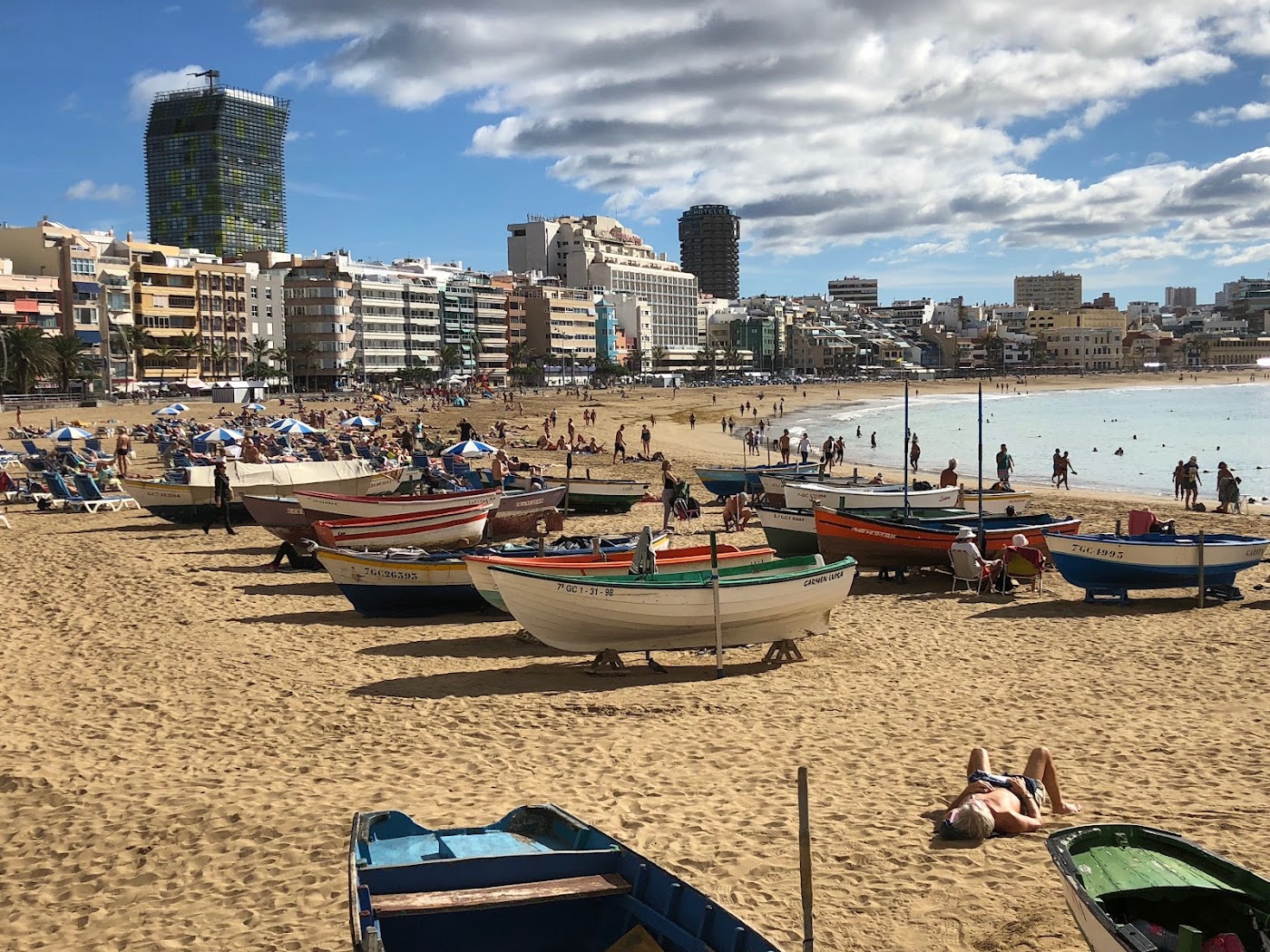
Gran Canaria wins on beaches, full stop. Las Canteras in Las Palmas is one of the finest urban beaches in Europe — 3 kilometres of golden sand with a natural reef protecting calm, swimmable water, flanked by seafront restaurants and bars. The Maspalomas Dunes in the south are unique in the Canaries: rolling Saharan-style sand dunes that extend for kilometres, flanked by a long beach of fine golden sand. Playa de Amadores and Playa de Puerto Rico in the southwest are sheltered, warm, and ideal for families. The sheer variety and quality of beaches gives Gran Canaria a clear edge.
Verdict: Gran Canaria has better beaches overall, particularly Las Canteras and the Maspalomas area. Tenerife compensates with more dramatic coastal scenery (the Los Gigantes cliffs, the rock pools at Garachico) but the beach-for-beach comparison favours Gran Canaria.
Things to Do & Activities
Tenerife has more in the way of singular, bucket-list experiences. Mount Teide and the cable car. The Anaga Rural Park — one of the last surviving ancient laurisilva forests in the world. Garachico's volcanic rock pools. The Corpus Christi flower carpets in La Orotava. Whale and dolphin watching off the southwest coast, where resident pilot whales and sperm whales appear year-round with remarkable reliability. La Laguna's UNESCO historic centre. Loro Parque if you have children. The variety is genuinely impressive, and it rewards a full week of active exploration.
Gran Canaria has strong offerings too, but slightly less concentrated wow-factor. The Roque Nublo rock formation is striking. The Caldera de Bandama (a perfectly circular volcanic crater near Las Palmas) is fascinating. The Cueva Pintada museum in Gáldar houses extraordinary pre-Hispanic cave paintings. Las Palmas itself is a proper, vibrant city with excellent museums (Casa de Colón, the fine arts museum), a thriving food scene, and a nightlife culture that far surpasses anything Tenerife's resort towns offer. The south is heavily resort-oriented and better for beach activities (water sports, golf) than cultural exploration.
Verdict: Tenerife has more variety and more singular experiences for independent travellers. Gran Canaria's trump card is Las Palmas — a genuinely excellent city that Tenerife cannot match with anything comparable in Santa Cruz.
Food
Both islands share the same Canarian cuisine tradition — papas arrugadas (wrinkled potatoes in salt), mojo rojo and mojo verde sauces, fresh grilled fish, gofio (toasted grain flour used in everything), local cheeses, and the extraordinary variety of tropical fruits grown on the islands. You will eat well on either island if you seek out local restaurants and avoid the tourist-menu laminated-board places near the beaches.
Tenerife has a strong restaurant scene, particularly in La Laguna and La Orotava, where creative chefs are working with local ingredients. The Michelin Guide has recognised several Tenerife restaurants, and the wine from the Orotava Valley (particularly the local listán negro and listán blanco varieties) is genuinely excellent and almost unknown outside the island. Puerto de la Cruz has a good selection of places that have been quietly excellent for decades rather than trying to be trendy.
Gran Canaria's food scene is anchored in Las Palmas, which has more restaurants, more variety, and a more sophisticated dining culture than any single town on Tenerife. The Mercado de Vegueta food market is excellent, and the city's mix of Canarian, Spanish mainland, Latin American, and international influences makes for a more diverse dining landscape overall. The south of Gran Canaria — Maspalomas and Playa del Inglés — is thoroughly resort-oriented food; you need to leave the hotel strip for anything worth eating.
Verdict: Roughly equal in quality, different in character. Tenerife has better wine and a stronger rural/traditional food culture. Gran Canaria has Las Palmas, which wins on pure variety and urban food scene quality.
Nightlife
Tenerife's nightlife is concentrated in the south resort towns — Playa de las Américas has a well-established club and bar district (Veronicas Strip) that is unambiguously oriented towards British and Scandinavian package tourists. It does what it does effectively, but it is not going to surprise anyone over the age of 25 who has been to Ibiza or any similar resort. La Laguna has a good student bar scene around the university. Puerto de la Cruz has a pleasant bar scene that is more relaxed and local-feeling.
Gran Canaria has considerably more interesting nightlife, particularly for LGBTQ+ travellers. The Yumbo Centre in Playa del Inglés is one of the most famous LGBTQ+ venues in Europe, drawing a large international crowd year-round. Las Palmas has a vibrant local nightlife scene across the Triana and Vegueta districts — bars, live music venues, and clubs that attract Canarians rather than holidaymakers, which makes for a more authentic atmosphere. Arguineguín and Mogán in the west have small but pleasant harbour bar scenes.
Verdict: Gran Canaria wins on nightlife, both in variety and quality. Tenerife's south resort nightlife is very package-holiday-oriented. For LGBTQ+ travellers specifically, Gran Canaria is the choice without question.
Families
Tenerife has the edge for families with children who want to do more than lie on a beach. Loro Parque is one of the best zoological parks in Europe — genuinely impressive for animal welfare standards as well as spectacle, and children reliably love it. Siam Park (water park in Costa Adeje) is consistently rated among the best water parks in the world and can absorb an entire day. The whale watching is family-friendly, the south beaches are calm and safe for children, and the Teide cable car is a memorable experience for kids old enough to handle altitude.
Gran Canaria is also very family-friendly in the south, with Aqualand (water park) near Maspalomas, calm sheltered beaches, and the Palmitos Park wildlife attraction. The Maspalomas Dunes are fantastic for children. Las Palmas is less suited to young children but excellent for teenagers who want city life and culture.
Verdict: Tenerife has a slight edge for families, primarily because of Loro Parque and Siam Park, combined with the whale watching and the Teide experience. Gran Canaria is close, particularly for beach-focused family holidays.
Couples
For couples who want romance, nature, and privacy, the answer often bypasses both islands in favour of La Palma or El Hierro. But within this comparison:
Tenerife offers more scope for genuinely memorable shared experiences — a sunrise above the clouds on Teide, a walk through ancient Anaga forest, a dinner on a terrace overlooking the Orotava Valley with wine grown 500 metres from the table. The north of Tenerife, in particular, has a quieter, more romantic quality than either the south resort strip or anything Gran Canaria offers outside Las Palmas.
Gran Canaria suits couples who want a mix of city life and beach time, or who want to explore a variety of landscapes efficiently without the intensity of Tenerife's mountain driving. Las Palmas is a genuinely romantic city for a couple of days — good restaurants, interesting streets, a beautiful beach. The west coast (Puerto de Mogán, Puerto Rico) is quieter and prettier than the Maspalomas resort zone.
Verdict: Tenerife for couples who want nature and memorable experiences. Gran Canaria for couples who want city + beach. If budget and variety are priorities, Gran Canaria's compactness is an advantage.
The Honest Bottom Line
If you are visiting the Canary Islands for the first time and you can only go to one island, we almost always say Tenerife. Not because it is better in every category, but because it has the widest range of experiences — you can do beach, volcano, ancient forest, historical town, whale watching, and excellent food all in one week. It offers the clearest answer to the question "what are the Canary Islands really like?"
If you have already been to Tenerife, or if Las Palmas as a city destination appeals, or if beaches and nightlife are your priorities, Gran Canaria is an excellent choice — and possibly an underrated one. It is a more sophisticated island than its package-holiday reputation suggests.
One last option worth mentioning: if you are torn, the ferry between the two islands takes about 80 minutes and costs around €35 per person. You can do Tenerife and Gran Canaria in the same week and make up your own mind.
Book a guided tour on either island
Whale watching, volcano hikes, city tours, and more — all led by guides who actually know these islands.
Explore ToursWe recommend booking through Booking.com — best price guarantee and free cancellation on most hotels across Tenerife and Gran Canaria.