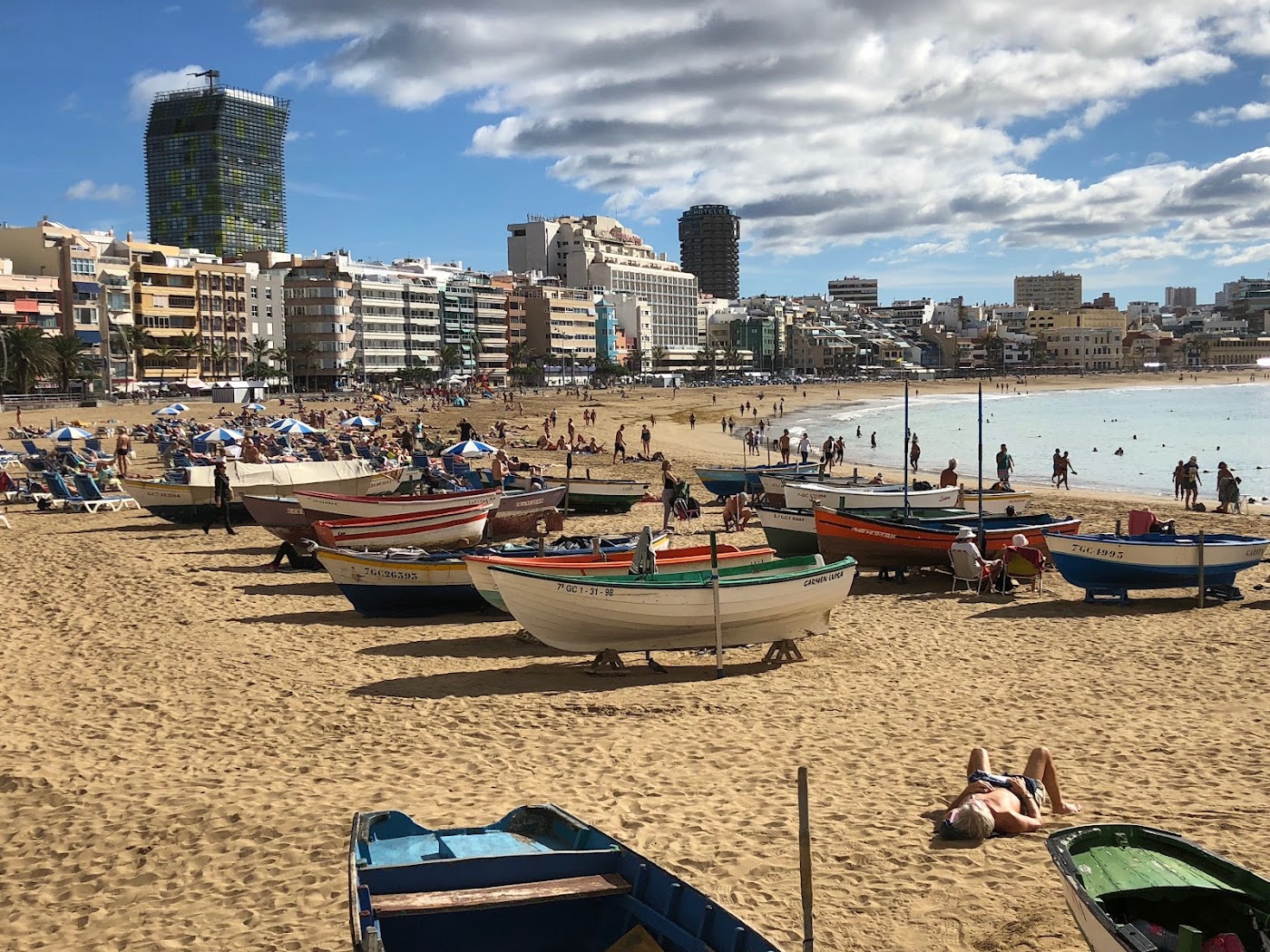
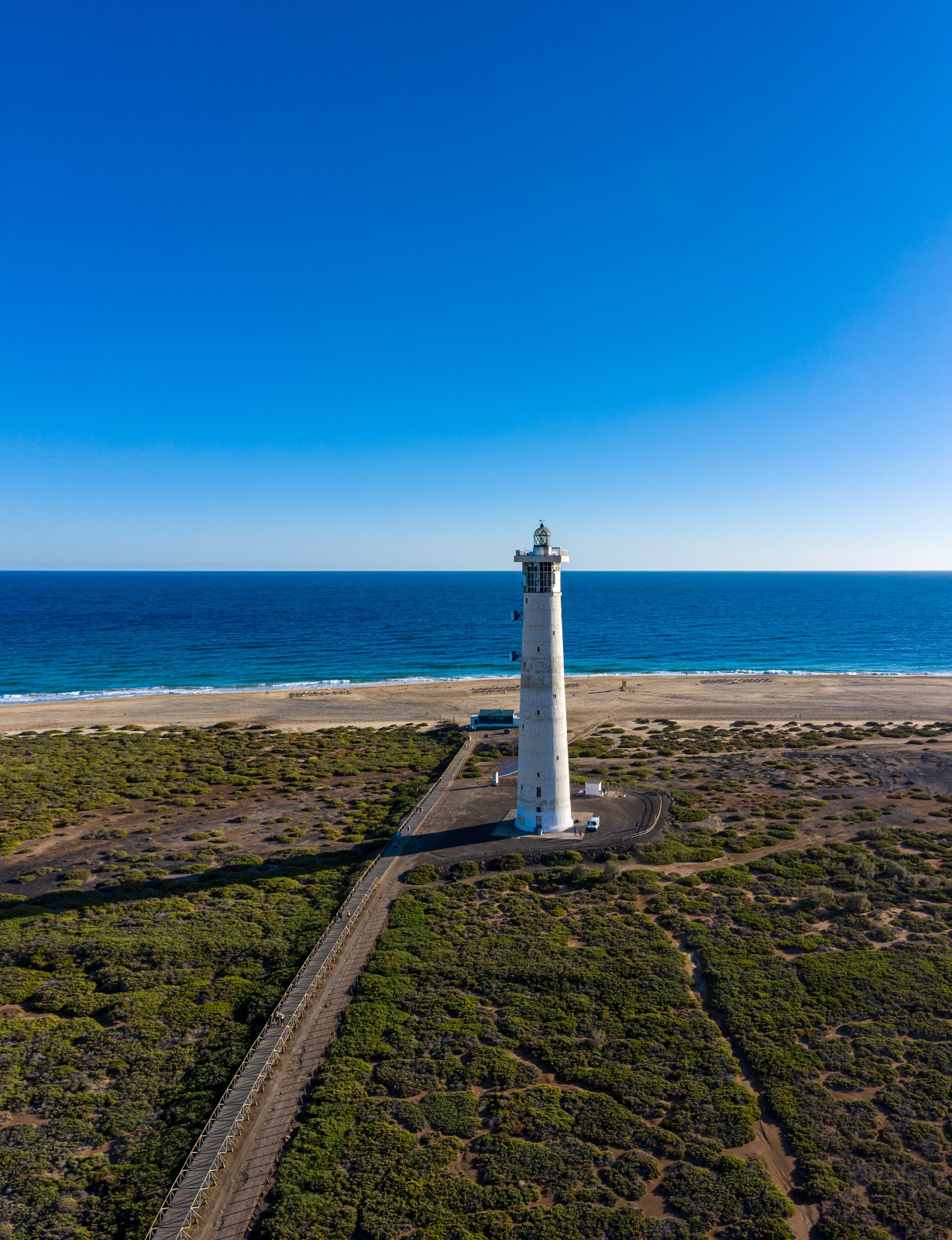
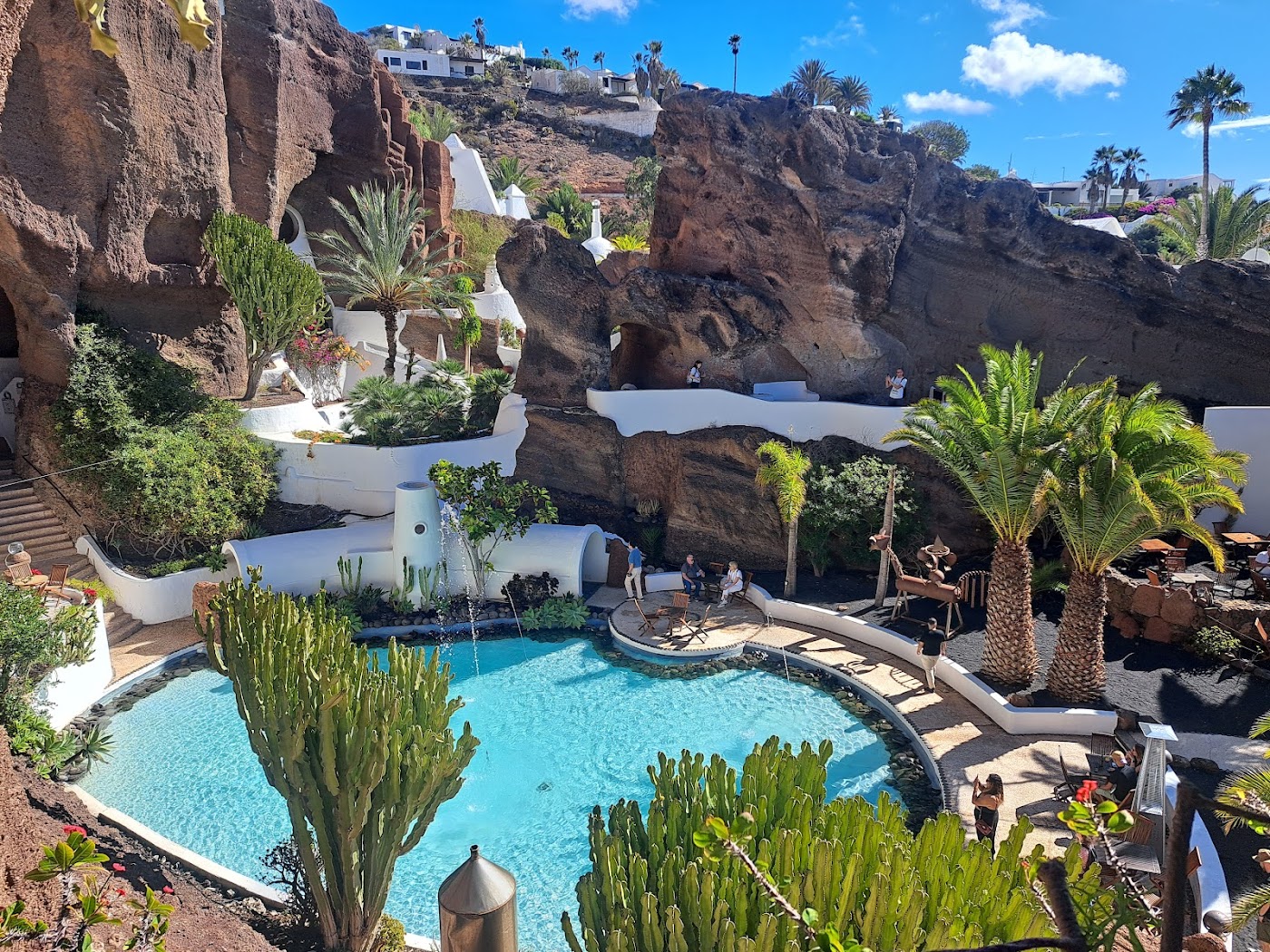
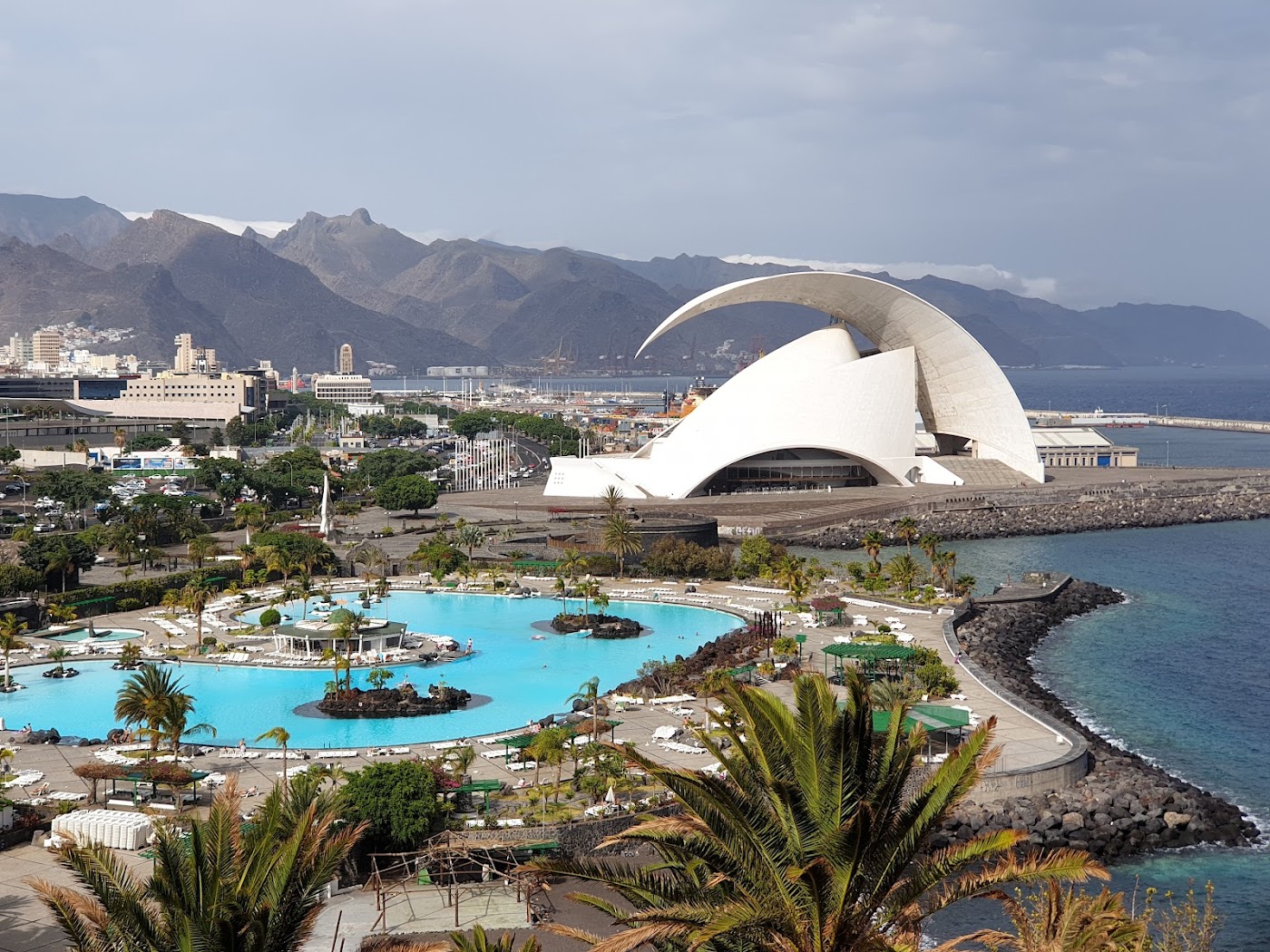
The Canary Islands have a reputation as a year-round destination, and for once, the marketing is not lying. These seven islands sit just 100 kilometres off the coast of West Africa, swept by the cool Canary Current and tempered by the trade winds, which means scorching summers are rare and true winters barely exist. You could land on Tenerife in January and spend the afternoon on a sun-warmed terrace in shorts. But every month does have its own character, its own trade-offs, and its own crowd levels — so let us walk you through what to actually expect, month by month.
Quick Answer
- Best overall: March – May, September – November
- Best for beaches: June – September
- Best for hiking Teide: April – June, September – October
- Best for budget: June – August (avoid school holidays)
- Busiest periods: Christmas, Carnival (February), Easter, July – August
Understanding the Islands' Microclimates
Before we go month by month, there is something critical to understand about the Canaries: no two islands are the same, and no two sides of the same island are the same either. Tenerife's north is lush and green, frequently capped in cloud; its south is bone-dry and sunny almost every day of the year. Lanzarote and Fuerteventura are arid and windswept — the Sahara is genuinely close. La Palma and La Gomera are heavily forested, misty, and dramatic.
This means the "best time to visit" question depends entirely on which island you are going to, and what you want from it. A surfer heading to Fuerteventura has different priorities to a hiker bound for Teide or a family looking for calm seas around Gran Canaria. We will give you the big picture here, with island-specific notes where it matters most.
Month-by-Month Guide
January
Avg. temperature: 17–22°C | Sea temperature: 19°C | Crowds: High (post-Christmas dip, then school holidays)
What's happening: Peak season for Northern Europeans escaping winter. Carnival preparations begin.
January is one of the busiest months in the Canaries, which surprises many first-time visitors. The reason is simple: while the rest of Europe is grey and cold, the islands are reliably mild and often genuinely sunny. Hotels in the south of Tenerife and Gran Canaria fill up with British, German, and Scandinavian holidaymakers who book months ahead. Prices reflect this demand.
That said, mid-January after New Year is a relative quiet spell before school half-terms kick in again. If you can travel in the second and third weeks of January, you will find better value. Hiking on Tenerife is excellent this month — Teide often has snow on its peak, which is genuinely spectacular, and the temperature at altitude is crisp and clear. On the beach islands like Lanzarote and Fuerteventura, you will need a light layer in the evenings but afternoons can hit 22°C easily.
February
Avg. temperature: 17–22°C | Sea temperature: 18°C | Crowds: Very High (Carnival)
What's happening: Carnival — one of the biggest in the world after Rio and Santa Cruz de Tenerife.
February belongs to Carnival. The Santa Cruz de Tenerife Carnival is the most famous in Spain and rivals Rio for spectacle — elaborate costumes, street parades that go until dawn, live music stages across the city, and a genuinely electric atmosphere. It runs for about two weeks and draws hundreds of thousands of visitors. Las Palmas de Gran Canaria also hosts a serious Carnival with its own loyal following.
If Carnival is your reason for coming, book absolutely everything — flights, accommodation, car hire — at least three months ahead. If crowds are not your thing, avoid the Carnival dates entirely and consider La Palma or La Gomera instead, where life continues at its usual unhurried pace. Weather-wise, February is slightly wetter than January, particularly in the north of Tenerife, but the south coast resorts are reliably sunny.
March
Avg. temperature: 18–23°C | Sea temperature: 18°C | Crowds: Medium (excellent shoulder season)
What's happening: Spring wildflowers, almond blossom on Gran Canaria and La Palma, calmer seas.
This is when we start recommending the Canaries to most people. The post-Carnival crowds clear, prices settle into a sensible range, the days are getting longer, and the weather is as close to perfect as it gets. Temperatures hover around a very comfortable 20–22°C, the trade winds ease, and the sea begins to warm up. On Gran Canaria and La Palma, the almond trees are in bloom — a genuinely beautiful sight that most visitors never see.
Hiking is outstanding in March. Teide National Park is accessible without the summer crowds, and the colours on the lower slopes — the endemic tajinaste flowers starting to emerge — are spectacular. March is also good for whale and dolphin watching off the southwest coast of Tenerife, where resident sperm whales and pilot whales are regularly spotted year-round.
April
Avg. temperature: 19–24°C | Sea temperature: 19°C | Crowds: Medium to High (Easter)
What's happening: Easter week brings Spanish domestic visitors. Tajinaste flowers peak on Tenerife.
April is a tale of two halves. Outside of Easter, it is a wonderful shoulder-season month — warm, relatively uncrowded, and excellent value. During Easter week (Semana Santa), however, the islands fill with Spanish mainland visitors taking their school holidays, and the atmosphere in towns like Puerto de la Cruz and Las Palmas becomes noticeably busier.
The natural highlight of April is the tajinaste rojo — the red tower of flowers that erupts from the slopes of Teide and has to be seen to be believed. These extraordinary plants can grow up to three metres tall and bloom for about six weeks from late April into June. If you are at all botanically inclined, this alone is worth timing your trip around. April is also one of the best months for the Anaga Rural Park in northeast Tenerife — misty, ancient laurisilva forest in near-perfect hiking conditions.
May
Avg. temperature: 21–25°C | Sea temperature: 20°C | Crowds: Low to Medium (our favourite month)
What's happening: Fiesta de la Cruz, Corpus Christi preparations, peak tajinaste season.
If we had to send one friend to the Canaries for the first time and they could only go once, we would tell them to go in May. The weather is warm but not yet hot, the sea is swimmable in the south, the tajinaste is still flowering on Teide, there are no school holidays driving prices up, and the island's fiesta calendar starts picking up pace. You can hike, beach, eat, and explore without fighting for a sunlounger or waiting for a table.
May is also when Corpus Christi preparations begin in La Orotava and other towns on Tenerife — the streets are decorated with intricate sand and flower carpets that are among the most beautiful folk art traditions in Spain. The ceremony itself falls in June, but the crafting begins weeks earlier. Worth watching, even in progress.
Explore the Canary Islands with a local guide
Browse hand-picked tours across all seven islands — hiking, whale watching, cultural day trips and more.
Explore ToursJune
Avg. temperature: 23–27°C | Sea temperature: 21°C | Crowds: Medium (rising towards peak)
What's happening: Corpus Christi (La Orotava), Fiesta de San Juan, start of surf season on Fuerteventura.
June is the month the Canaries shift into summer mode. Temperatures climb into the mid-to-upper twenties, the beaches fill up, and the evening restaurant scene comes alive. On Fuerteventura, the consistent Atlantic swells arrive reliably, making it one of Europe's top surfing destinations from June through to September. The World Surf League has staged events here for good reason.
The Corpus Christi flower carpets in La Orotava, on the northern slopes of Tenerife, are genuinely one of the most extraordinary things we have seen anywhere in the Atlantic islands. Volunteers spend days laying intricate designs using volcanic sand in different colours, flower petals, and local soil — then the procession walks over them. The town is packed, but it is absolutely worth going. Prices are moving upward in June but have not yet hit August peaks — good timing if summer is what you want.
July & August
Avg. temperature: 25–30°C | Sea temperature: 23°C | Crowds: Peak
What's happening: Peak season. School holidays across Europe. Highest prices of the year.
Peak season in every sense. Flights from the UK, Germany, and Scandinavia are packed, hotels in the resort areas of Tenerife South and Maspalomas are at full capacity, and the beaches get genuinely crowded by mid-morning. If you are travelling with children and the school calendar gives you no choice, July and August are perfectly enjoyable — but you need to book everything months in advance and accept that you will pay the highest prices of the year.
The upside: the sea is at its warmest and calmest, outdoor dining is ideal, and the long evenings (sunset after 9pm) mean you can pack a huge amount into each day. The Canary Islands are set up for this kind of volume — the resort infrastructure handles it. But if you have flexibility, the months either side are genuinely nicer for an independent traveller. One note: July and August can bring hot, dusty winds from the Sahara called the calima, which occasionally push temperatures above 40°C and fill the air with fine dust. It does not happen every year, but it can last a few days when it does.
September
Avg. temperature: 25–29°C | Sea temperature: 23°C | Crowds: High, then falling
What's happening: Fiesta de la Virgen del Pino (Gran Canaria), Romería de San Roque, sea at its warmest.
September is August with a breath of fresh air. The European school holidays have ended, the worst of the summer crowds thin out after the first week, and you get the same warm temperatures and warm sea without the full-on resort madness. Prices begin to drop mid-month, and by late September you are back into shoulder-season territory — good value, manageable crowds, excellent weather.
This is our pick for anyone who wants a proper beach holiday without the July madness. The sea temperature peaks in September and early October — often reaching 23–24°C around the southern coasts — and the evenings are warm enough for light clothes until well into the night. The Fiesta de la Virgen del Pino in Teror, Gran Canaria is one of the most authentic local festivals on the islands, drawing Canarians rather than tourists.
October
Avg. temperature: 22–26°C | Sea temperature: 22°C | Crowds: Medium (excellent shoulder season)
What's happening: Still warm, quieter, hiking season in full swing, great value.
October is arguably the best month for anyone who wants to do more than just lie on a beach. The heat is comfortable rather than intense, hiking trails on Teide, Anaga, and the Roque Nublo area of Gran Canaria are in beautiful condition, and the island's cultural life — markets, festivals, local restaurants — is fully active without being overrun. The sea is still warm enough for swimming without any hesitation.
For walkers and cyclists especially, October is ideal. The Transvulcania ultra-marathon on La Palma draws runners from across the world in early November, but October is when serious hikers start arriving for the network of trails across that island. Prices are noticeably lower than August, and availability on car hire and accommodation opens up considerably.
November
Avg. temperature: 20–24°C | Sea temperature: 21°C | Crowds: Low
What's happening: Quiet season, great deals, first winter sun seekers arriving from Northern Europe.
November is when the Canaries shift into their winter rhythm. The Spanish domestic tourists are gone, the summer crowd is a distant memory, and the islands feel like themselves again. Prices drop significantly — you can find excellent hotels at half the August rate, and car hire deals become genuinely competitive. For anyone who values space, authenticity, and value over beach-season buzz, November is superb.
The weather stays warm enough for lunches in the sun and evening walks along the coast, though you will want a layer after dark. Occasional rain is more likely now, particularly in the north of Tenerife and on the mountainous western islands, but it rarely disrupts a day entirely. The first wave of British and German winter sun seekers begins to arrive late in the month, but the real influx does not build until December.
December
Avg. temperature: 18–22°C | Sea temperature: 20°C | Crowds: High (Christmas and New Year)
What's happening: Christmas markets, Los Reyes Magos preparations, New Year festivities in Santa Cruz and Las Palmas.
December is split between a quiet first half and a frantic final two weeks. Before Christmas, it is a genuinely lovely time to visit — mild weather, festive atmosphere in the town centres, and prices that have not yet spiked. Las Palmas de Gran Canaria has a beautiful Christmas market along the Paseo de las Canteras, and the towns of La Laguna and Garachico on Tenerife are wonderfully atmospheric with their old stone streets and lit-up colonial architecture.
From around 20 December onwards, prices rocket and availability disappears. New Year's Eve on the Canaries is a big event — the Las Palmas party on the beach is famous, and the fireworks in Santa Cruz de Tenerife are spectacular. But book at least three months ahead if you are coming for the festive period, and expect to pay summer prices or above for accommodation.
Best Time For...
| Activity | Best Months | Why |
|---|---|---|
| Beaches & swimming | Jun–Oct | Warmest sea, least wind, calmest conditions |
| Hiking Teide | Apr–Jun, Sep–Oct | Mild temps at altitude, tajinaste in bloom Apr–Jun |
| Surfing (Fuerteventura) | Jun–Sep | Consistent Atlantic swells, offshore winds |
| Whale & dolphin watching | Year-round (best Mar–Jun) | Resident pods off SW Tenerife all year; calmer seas in spring |
| Carnival | February | World-class event in Santa Cruz de Tenerife |
| Budget travel | May, Oct–Nov | Shoulder season: good weather, lower prices, fewer crowds |
| Winter sun escape | Nov–Mar | 17–22°C when rest of Europe is freezing |
Which Island Changes Things
A few island-specific points worth knowing before you book:
Tenerife is the most weather-diverse. The south (Playa de las Américas, Los Cristianos) is reliably sunny year-round. The north (Puerto de la Cruz, La Laguna) is cloudier and greener, especially December through March. Teide can be snowed in during winter — beautiful to look at, but check conditions before driving up.
Lanzarote and Fuerteventura are the windiest islands. That wind keeps them cool in summer (rarely above 28°C) but can be relentless from October through March. It is part of their appeal for kitesurfers and windsurfers, but it makes beach days more of a weather lottery in winter.
La Palma, La Gomera, and El Hierro are more mountainous and receive considerably more rain, particularly in the north and at altitude. They are at their best in spring (March–May) and autumn (September–November) for hiking. If you are after sun and beaches, these are the wrong islands.
Our Honest Recommendation
We would say May or October, without hesitation. You get near-perfect weather, manageable crowds, fair prices, and the feeling that you are experiencing the islands rather than surviving the tourist infrastructure. September is a close third — the sea is at its warmest and the summer crowds have mostly gone home.
The Canaries in winter are underrated for anyone who just wants reliable warmth and sunshine when northern Europe is miserable. January in Lanzarote with 21°C temperatures, empty beaches, and cheap flights from London is a genuinely excellent proposition. You just need to pick your dates carefully around school holidays.
We recommend booking through Booking.com — best price guarantee and free cancellation on most hotels across all the Canary Islands.